Monday , 22 December 2025

The African History

The Great Pyramid was the world’s tallest man-made building for over 3,800 yrs
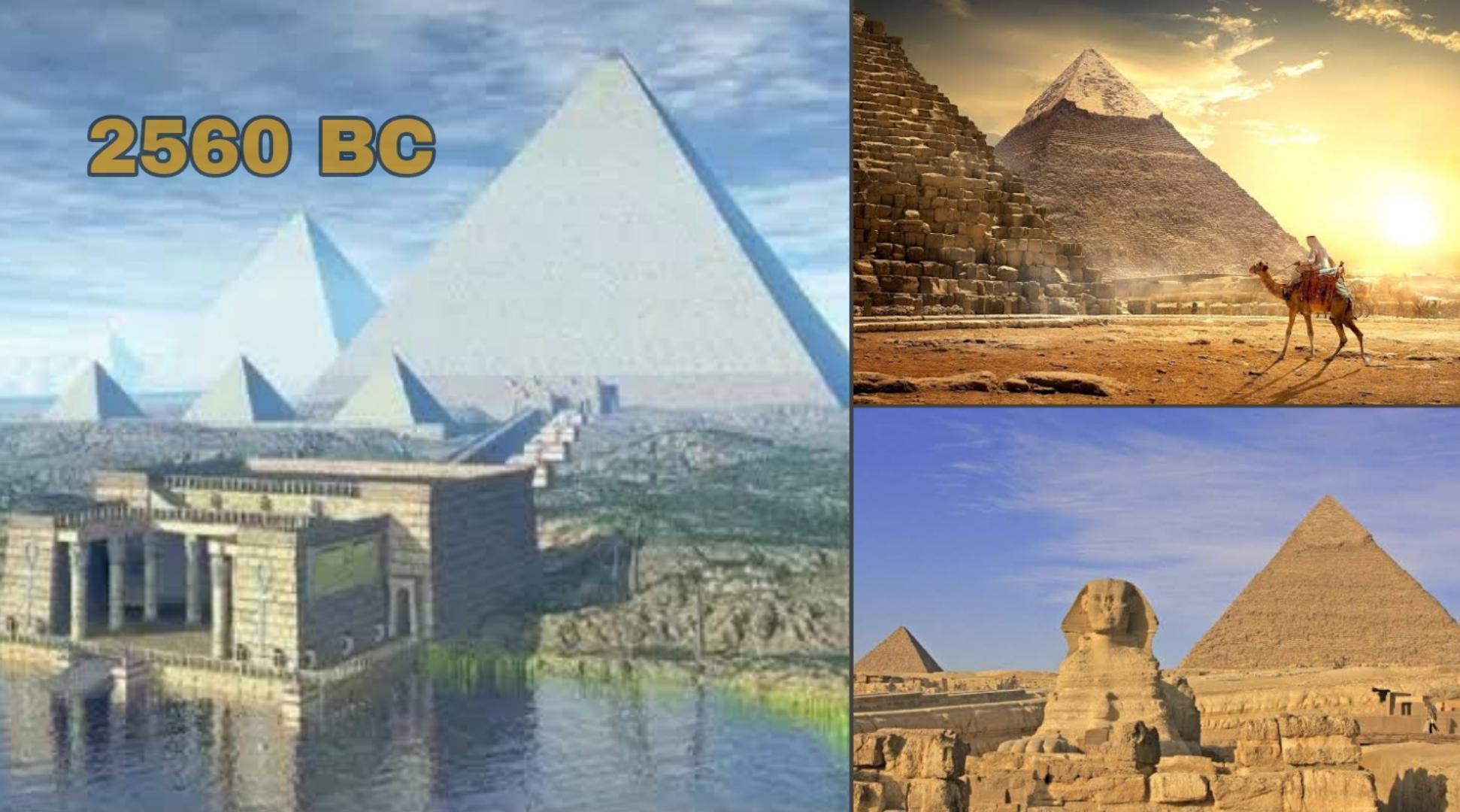
The Great Pyramid of Giza (also known as the Pyramid of Khufu or the Pyramid of Cheops) is the oldest and largest of the three pyramids that make up the Giza pyramid complex, which borders modern-day Giza in Egypt. It is the oldest of the Seven Wonders of the Ancient World, as well as the only one that has been …

Read More »

The Wolof People: largest tribe in Senegal also found in the Gambia & Mauritania

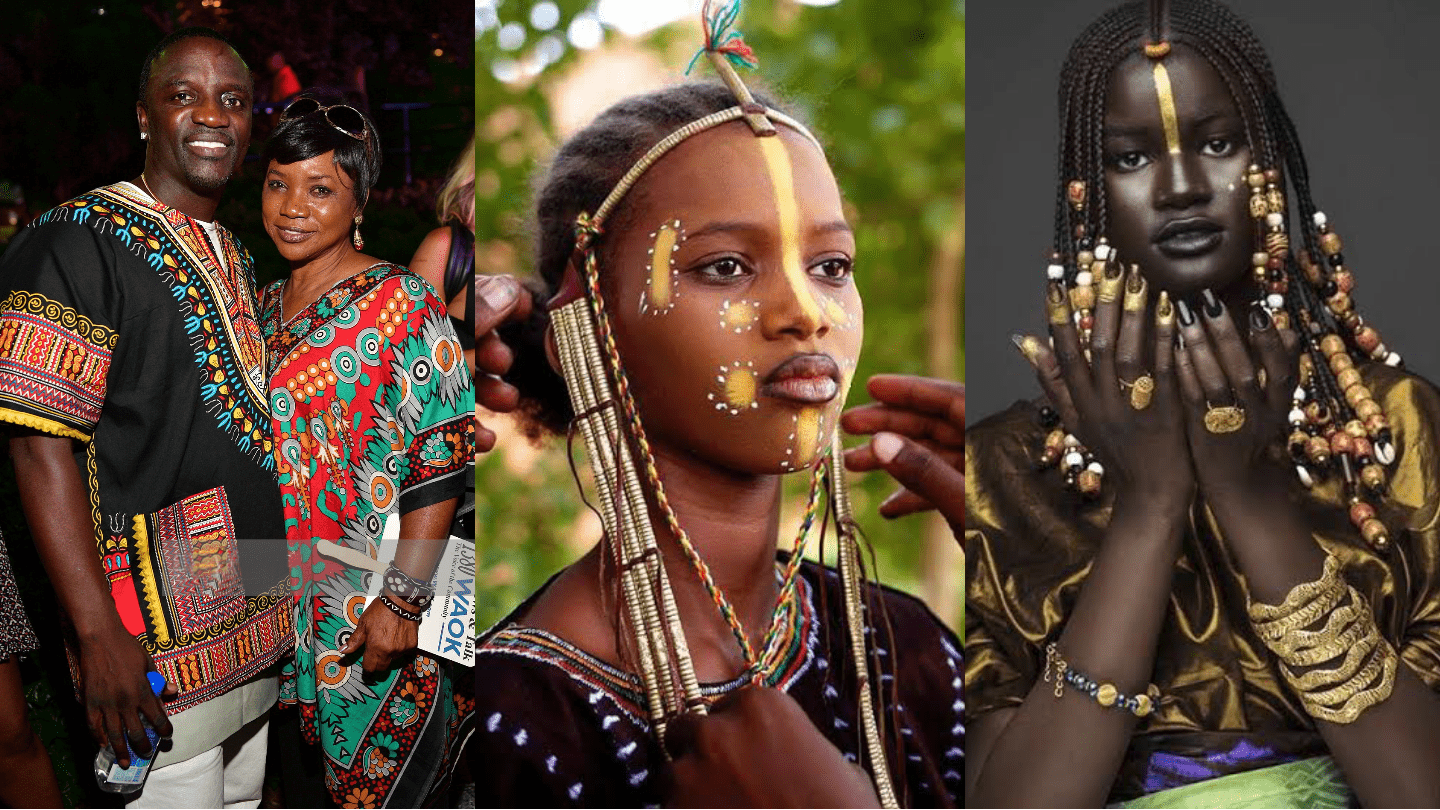
The Wolof people have a long and glorious history. The Wolof people were first recorded in the 15th century. The Wolof, on the other hand, had long lived along West Africa’s coasts, having moved west after the Ghana Empire collapsed four centuries before. The Wolof people are a West African ethnic group located in northwestern Senegal, Gambia and the southwestern …

Read More »

Dutch photographer reveals modern image of Pharaoh Akhenaten & Queen Nefertiti

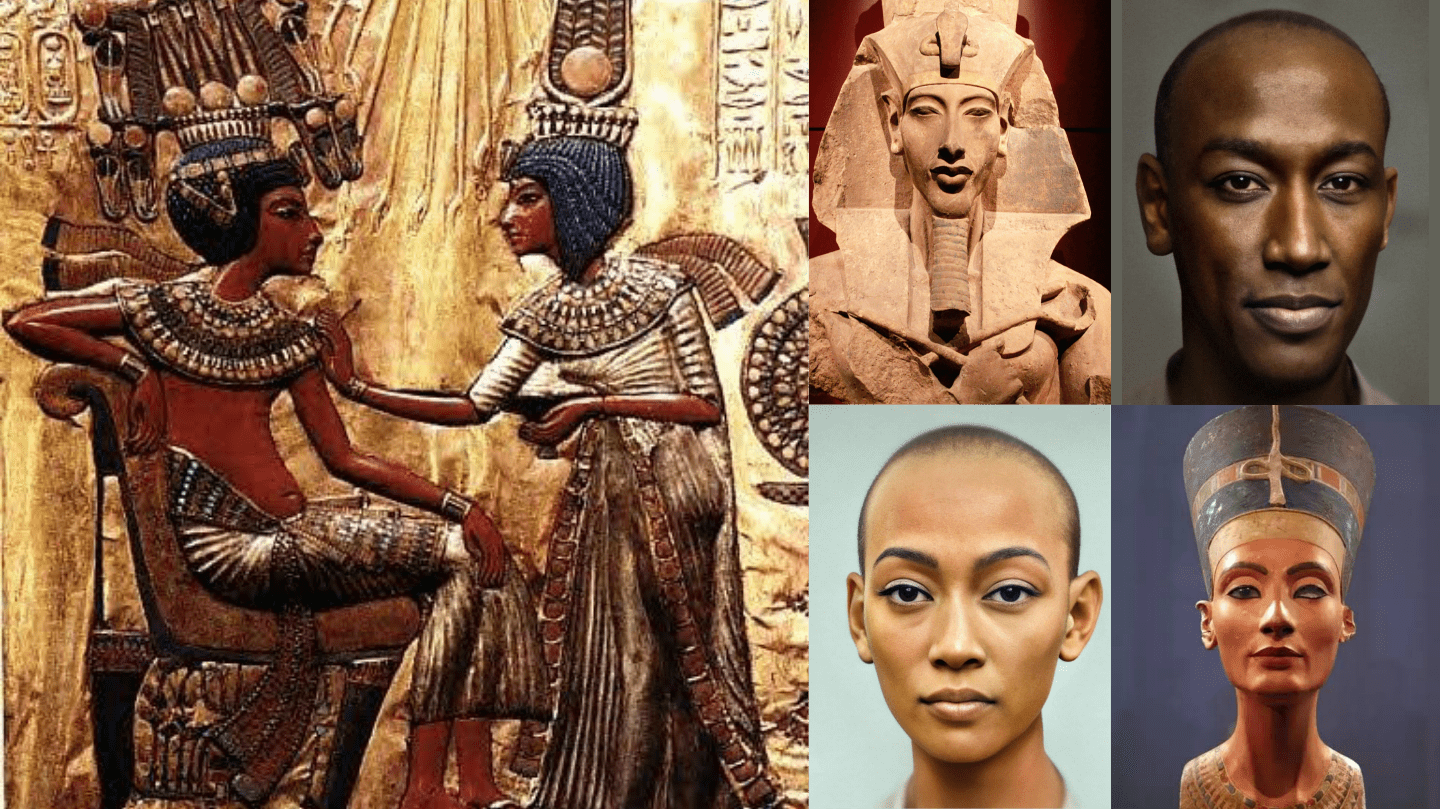
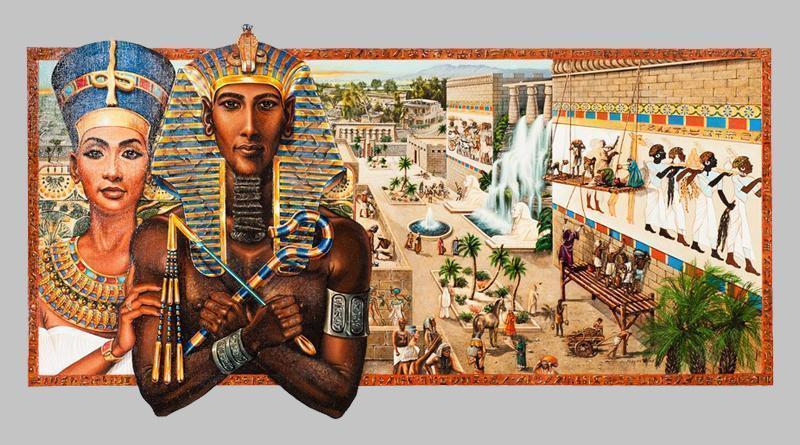
Akhenaten, also spelled Echnaton, Akhenaton, Ikhnaton, and Khuenaten, was the tenth ruler of the Eighteenth Dynasty, reigning from c. 1353–1336 or 1351–1334 BC. He was known as Amenhotep IV until the fifth year of his reign. Nefertiti, also called Neferneferuaten-Nefertiti, queen of Egypt and wife of King Akhenaton. Bas Uterwijk, a Dutch photographer, used artificial intelligence to create modern photographs of Egyptian …

Read More »

Shamba Bolongongo African King of Peace circa 1600-1620

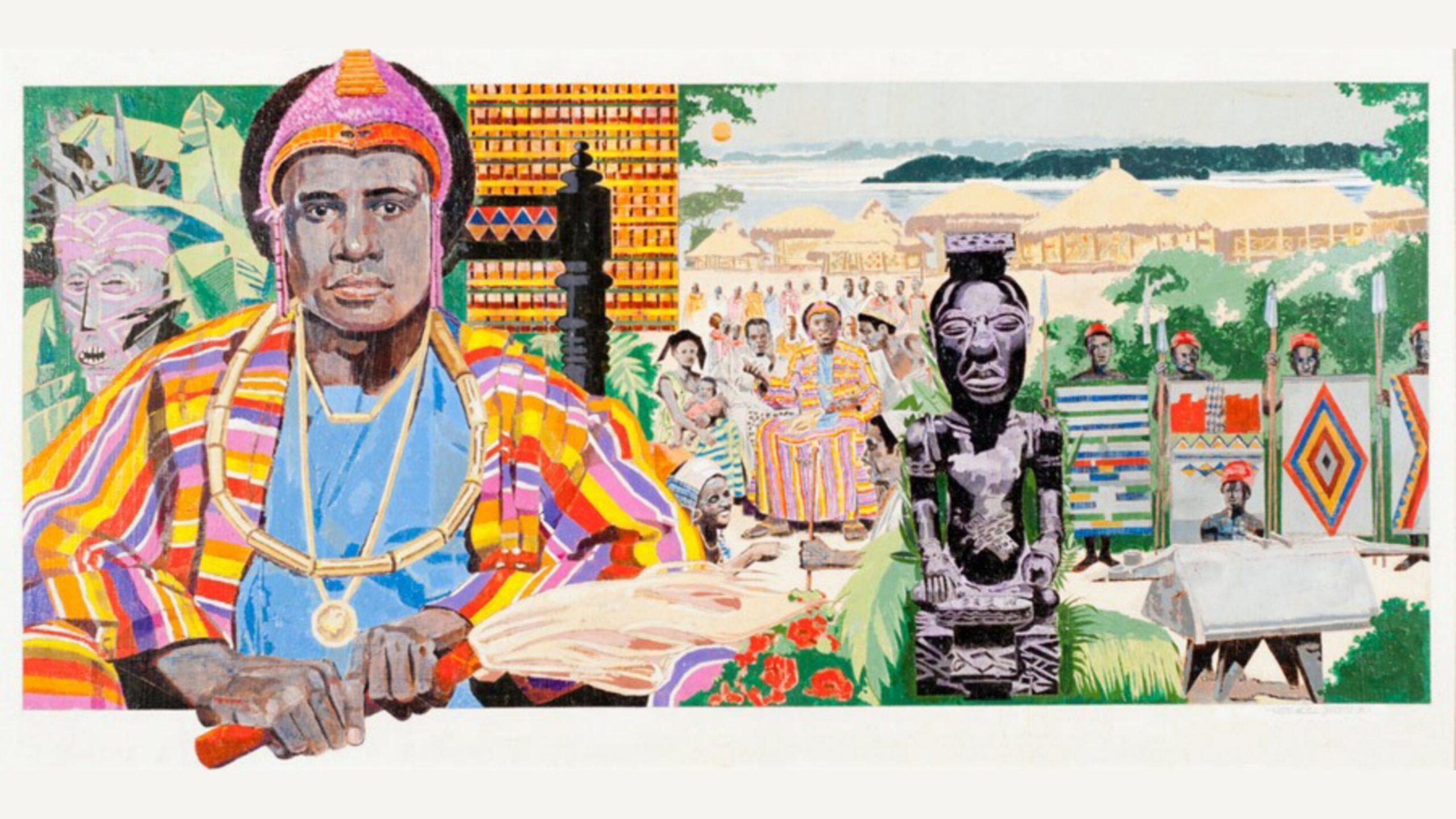
Shamba Bolongongo (c. 1600), the 93rd king, who introduced weaving and textile manufacture to his people, he was also the first Kuba ruler to have his portrait carved in wood. Shamba Bolongongo’s portrait established a tradition of such portraiture among the Kuba people. Kuba cultural area The Kuba art is one of the most advanced of all African cultures, and they have …

Read More »

Legend of the Crown: The Art of African Great Kings and Queens

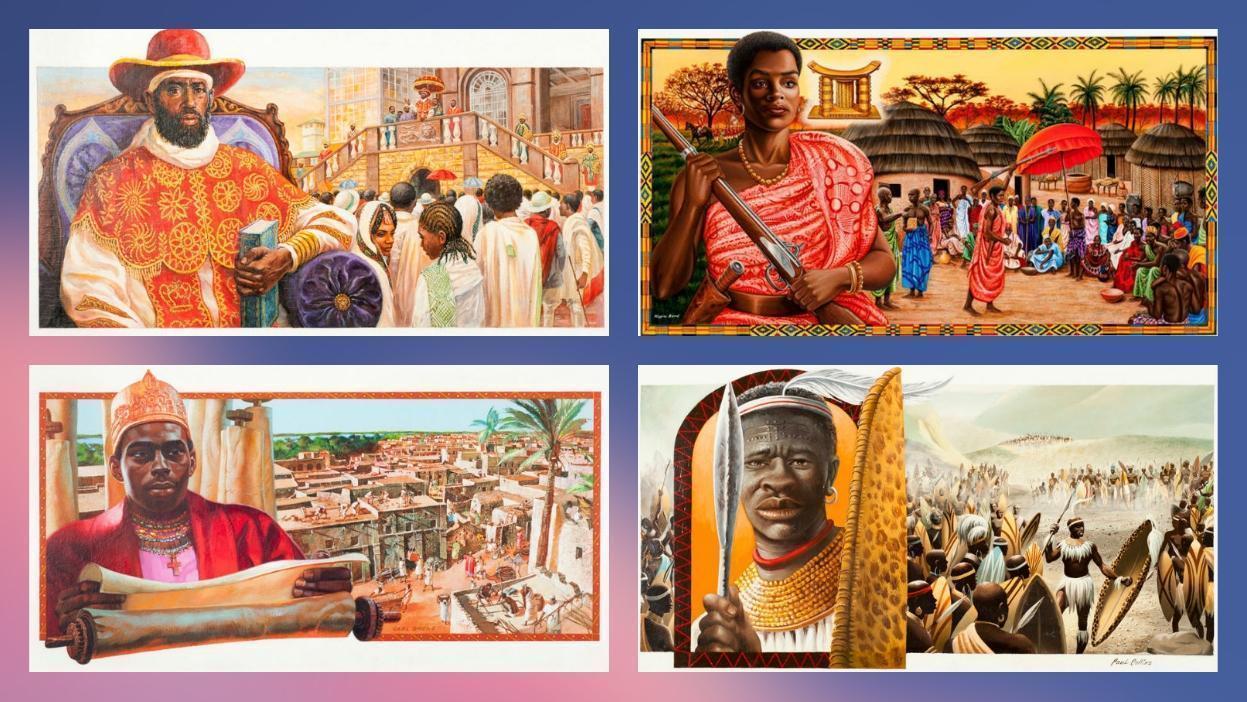
Twenty-three artists were commissioned by Anheuser-Busch over a 25-year span, to create works for the Legend of the Crown collection. Each painting depicts an African leader and celebrates his or her impact on history. Here are the 30 paintings that were created for the collection. Hatshepsut The Ablest Queen of Far Antiquity (1503-1482 BC) by Dean Mitchell For 33 years Hatshepsut …

Read More »

Akhenaten: Egyptian Pharaoh, Nefertiti’s Husband, Tut’s Father (1351 BCE)

Amenhotep III and his wife Queen Tiye had a son called Akhenaten. Egypt ruled an empire that extended from Syria in west Asia to the River Nile fourth cataract in modern-day Sudan during their reign. In 1887, about 350 tablets known as the “Amarna letters” were discovered near Akhenaten’s new capital, revealing diplomatic correspondence between Akhenaten, his fellow kings in …

Read More »

Kush Kingdom: Queen Amanitore who commanded armies to battle (50 CE)

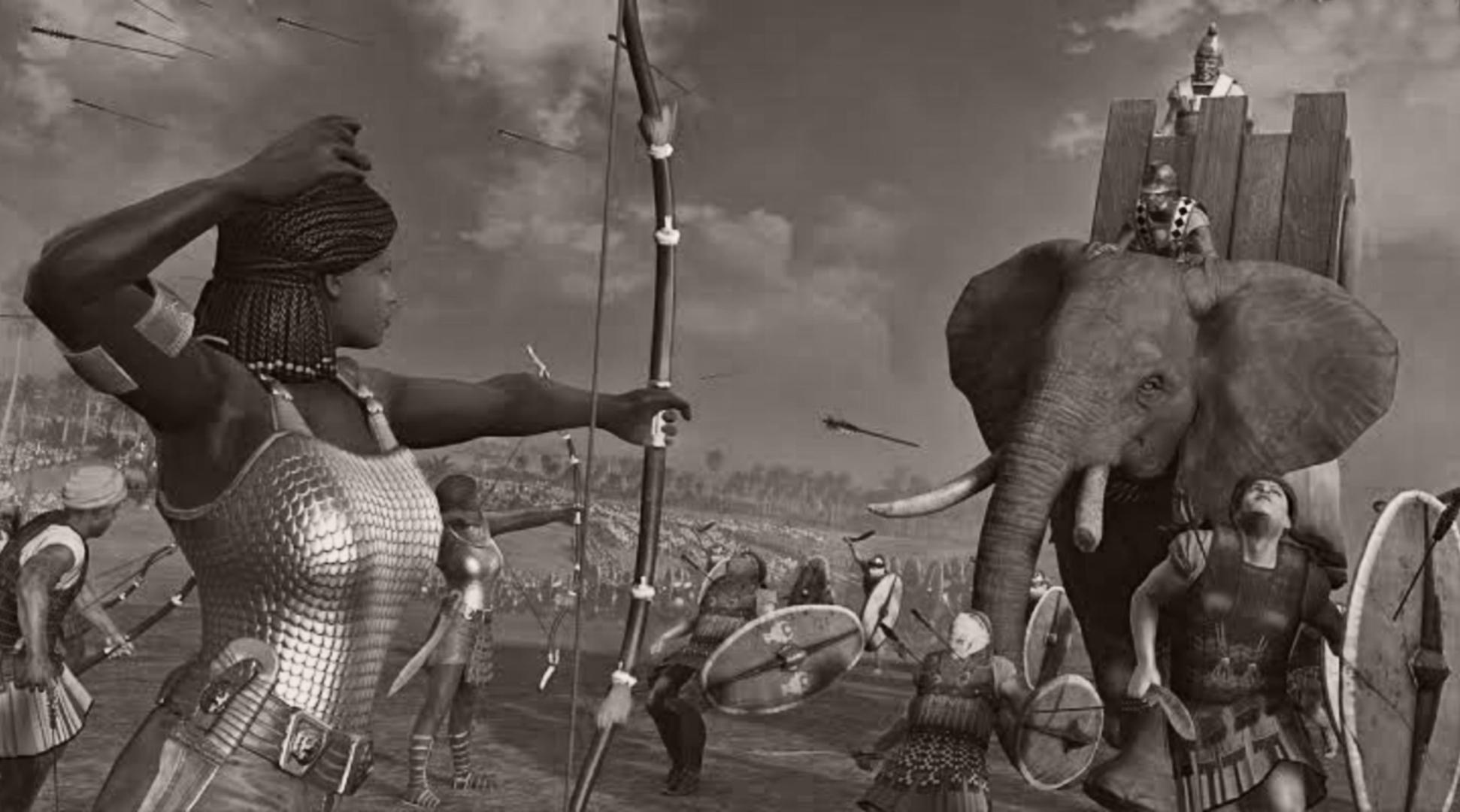
Amanitore (circa 50 CE) was a Nubian Kandake, or regnant queen, of the ancient Kushitic Kingdom of Meroë, which was also known as Nubia in ancient writings. Candace and Kentake are two alternate spellings. Amanitore’s throne name is Merkare in Egyptian hieroglyphics. Many Kandakes are depicted as warrior-queens who commanded armies in battle. Although it is unclear whether Kandake Amanitore was …

Read More »

King Jaja of Opobo: A slave boy who became a King in Africa (1870 – 1887)

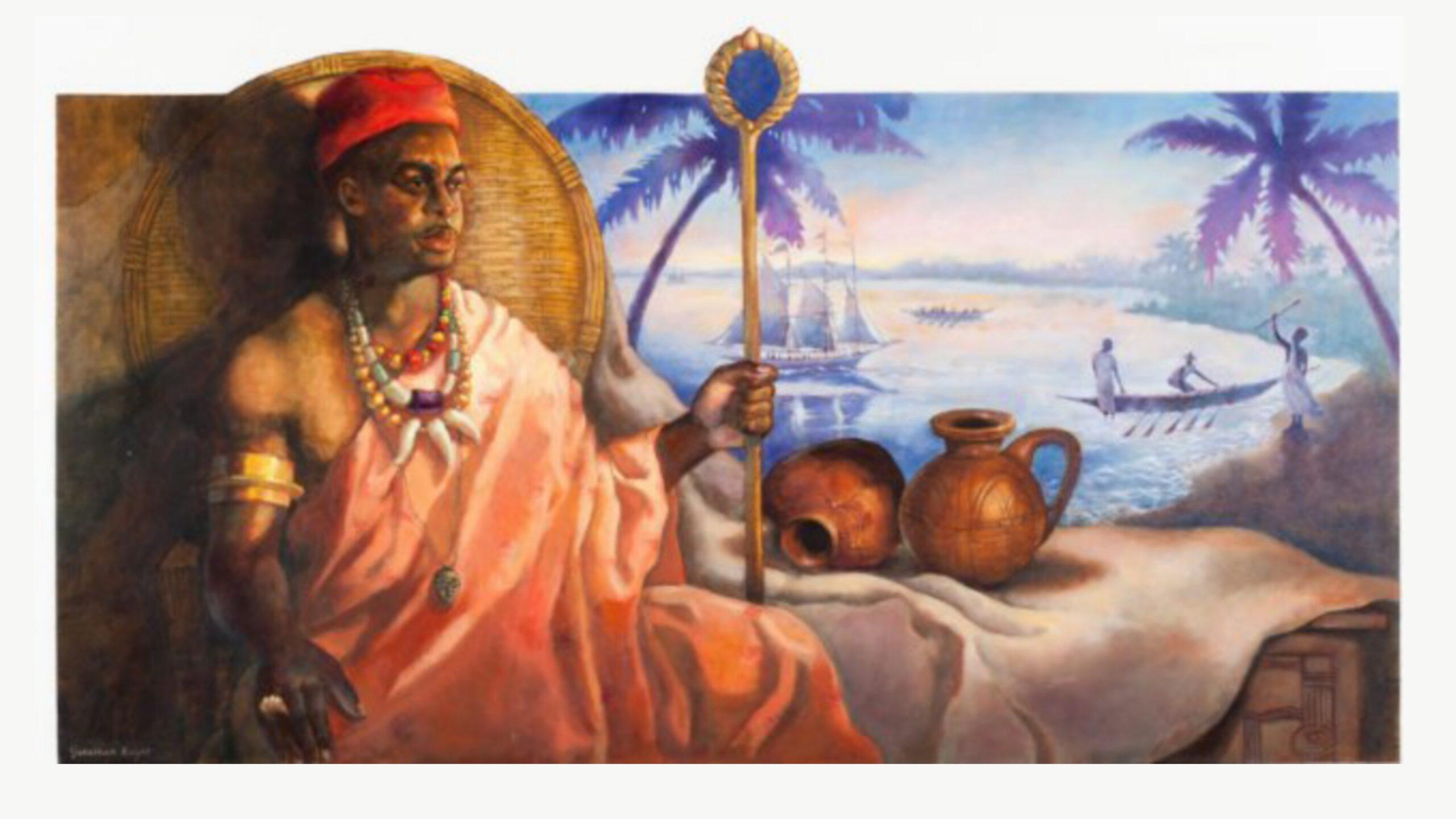
King Jaja of Opobo was a merchant prince and the founder of the city-state of Opobo in an area which is now Nigeria’s Rivers state. Born in present-day Imo State’s Umuduruoha Amaigbo, he was sold as a slave in Bonny at the age of twelve by Obua Ajukwu of Oguta, who had come to Bonny to buy slaves. Jubo was …

Read More »

Legends of Africa: The Oyo Empire (c. 1400 – 1835)

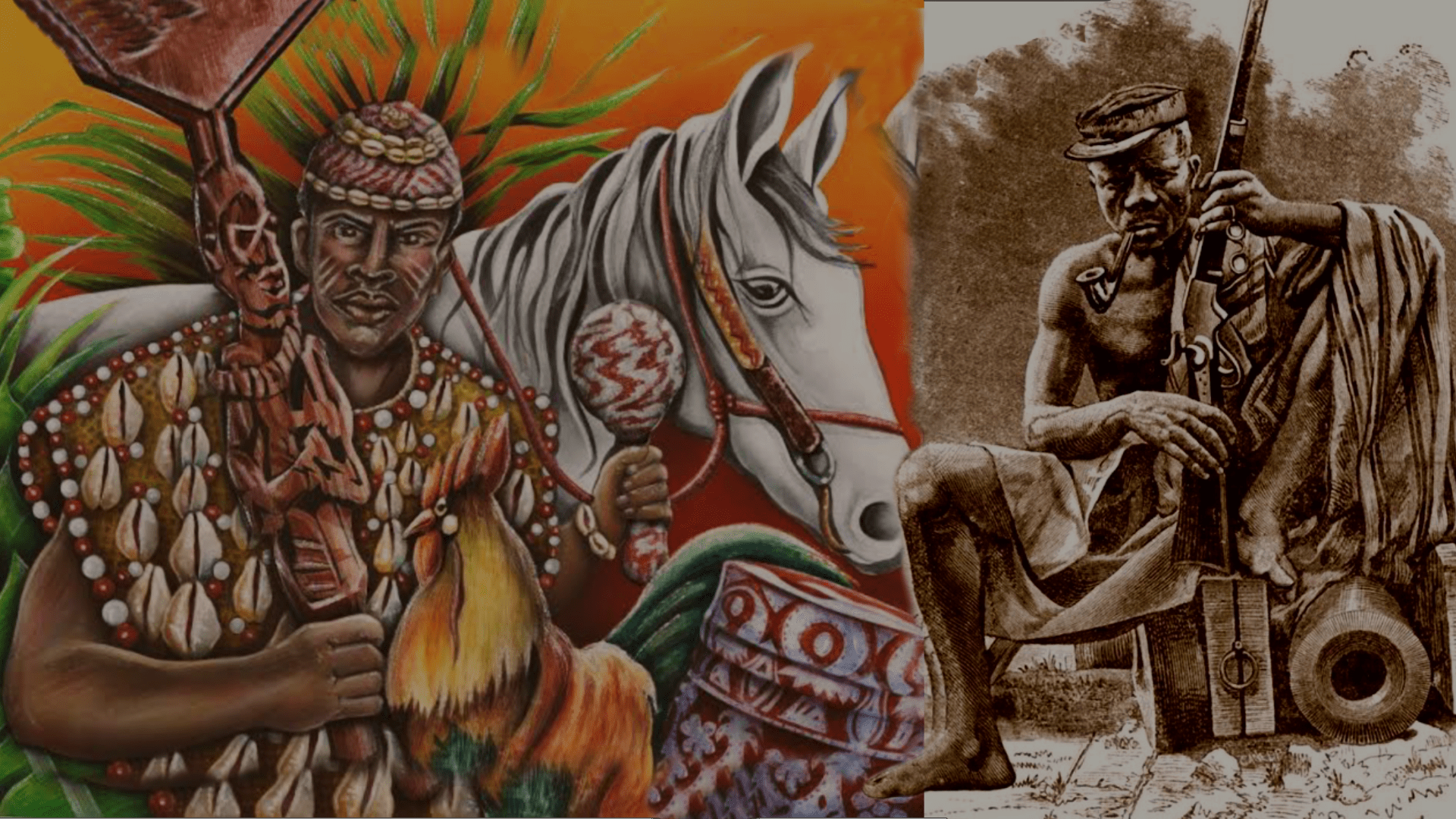
The Oyo Empire of present-day Nigeria was a West African empire (c. 1400-1835). The empire arose at the turn of the 14th century from a kingdom founded by the Yoruba and grew to become one of the largest West African states encountered by colonial explorers. It climbed to the top due to trade resources and the strength of a magnificent …

Read More »

South African cities’ colonial names renamed in Xhosa

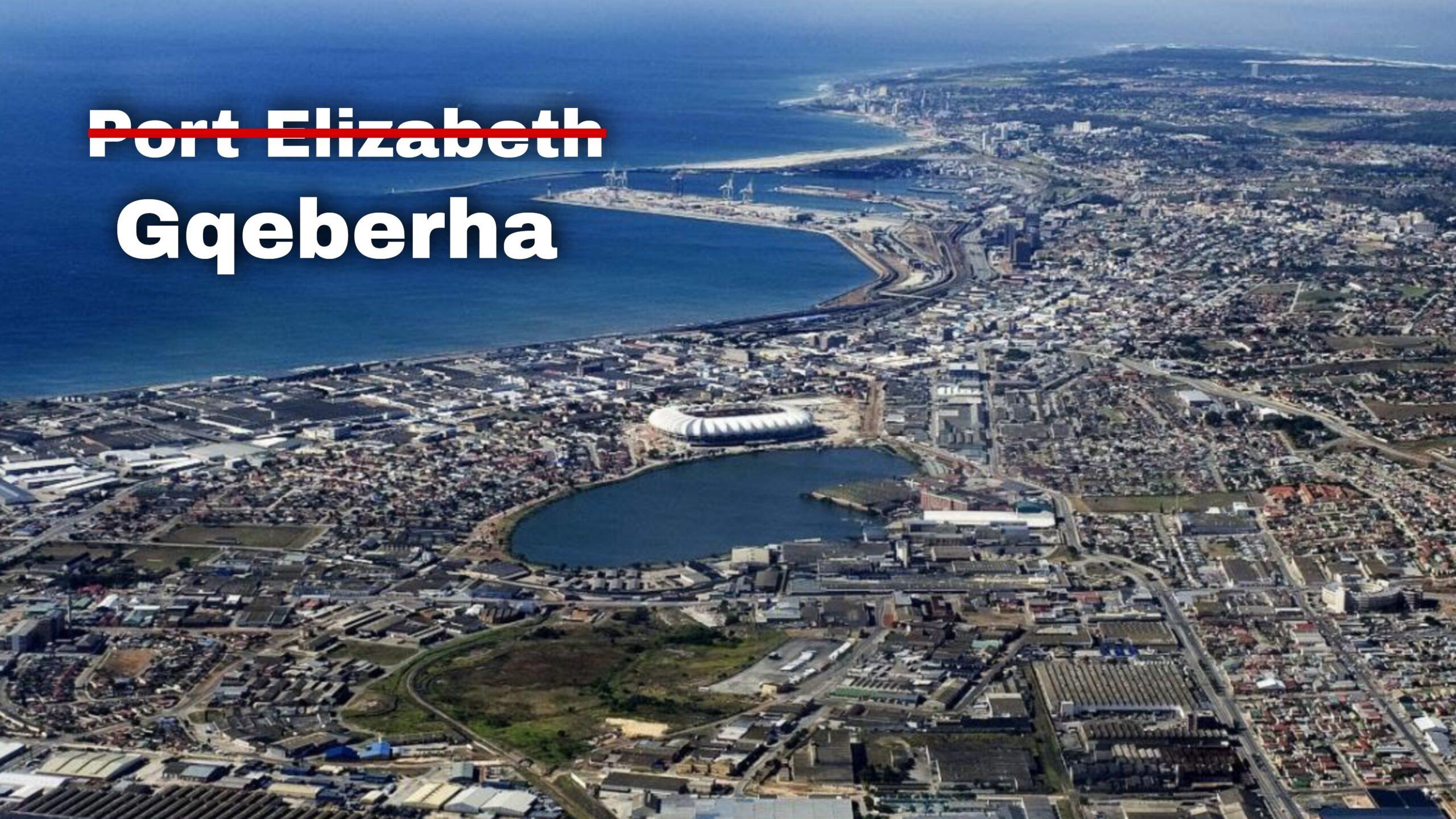
In September 2020, the Minister for Arts and Culture, Nathi Mthethwa, recommended an audit of offensive naming, symbols and structures, such as statues, street names, public spaces, etc. Mthethwa said it was unfair that when it comes to apartheid and colonial symbols still dominating the landscape, South Africa’s black majority population remains an ethnic minority. It was a long process …

Read More »