Sunday , 7 December 2025

Art and Culture

Statistics: South Sudan has more cows than humans
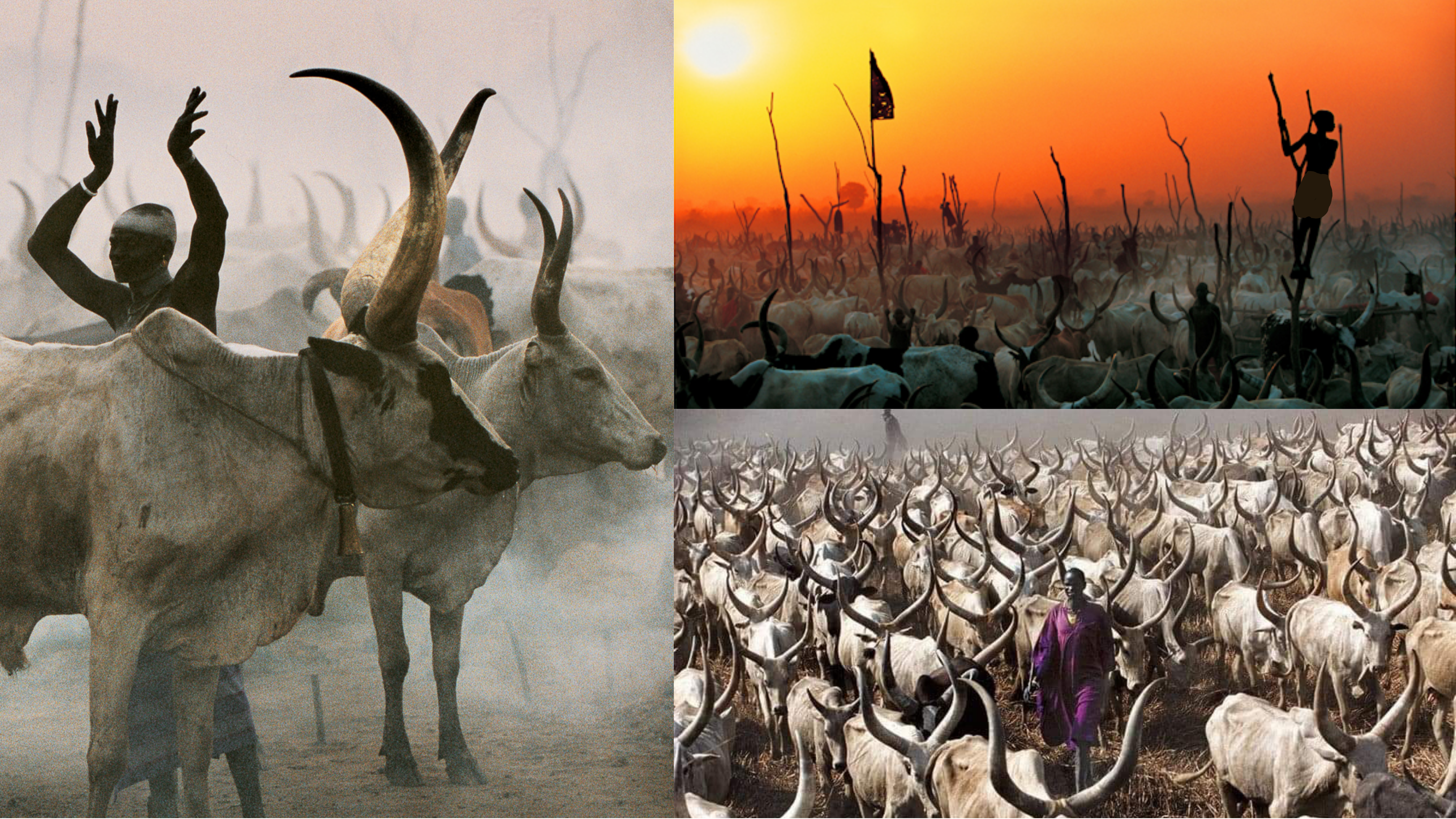
With a population of 11.1 million people according to a 2019 disputed UN statistic, South Sudan has over 31 million head of cattle, sheep and goats, making it a world-leading nation when the animal wealth is calculated per capita. South Sudan gained independence from the Republic of the Sudan in 2011, making it the most recent sovereign state or country …

Read More »

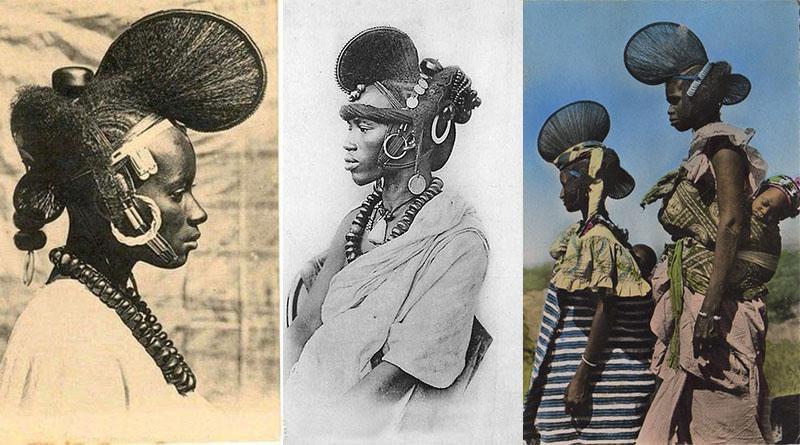
Traditional Fulani hairstyles that existed for centuries

This tribe has a highly rich culture, and they know how to put up a stunning appearance. Continue reading to learn the secrets of outstanding hairstyle history. The Fula, Fulani, or Fule people are one of the most populous ethnic groups in the Sahel and West Africa, with a massive population spread across the continent. They inhabit in a variety …

Read More »

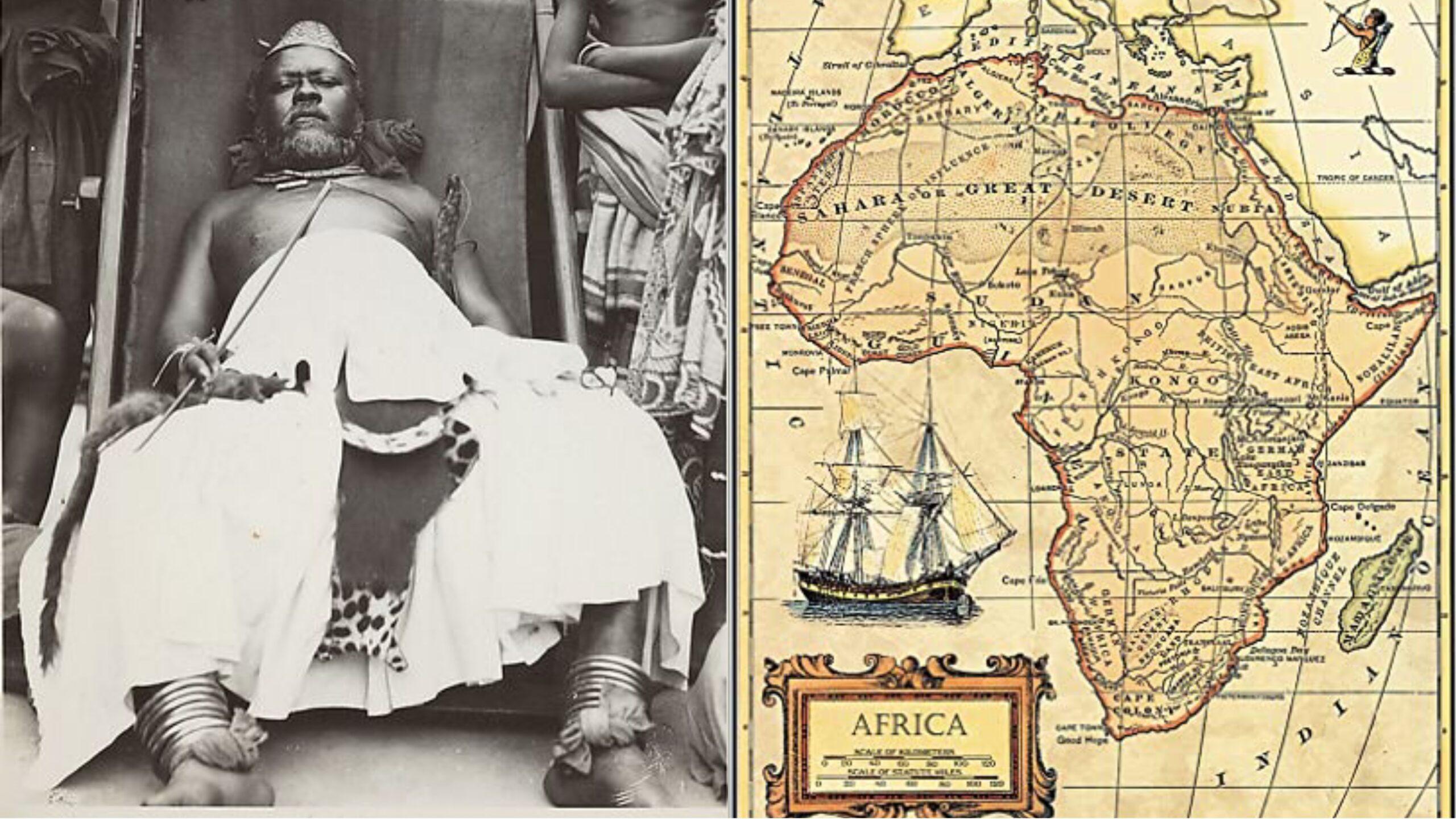
Kot Mabiinc, the paralysed king who ruled Kuba, the most culturally civilized kingdom in Africa

The Kuba kingdom, located between the Kasai and Sankuru rivers in the southern region of the Democratic Republic of the Congo, was one of the most powerful and beautiful civilizations that flourished from the 17th to the 20th centuries. Migrating from the far north to their current location in the 16th century, the Kuba kingdom was largely isolated due to …

Read More »

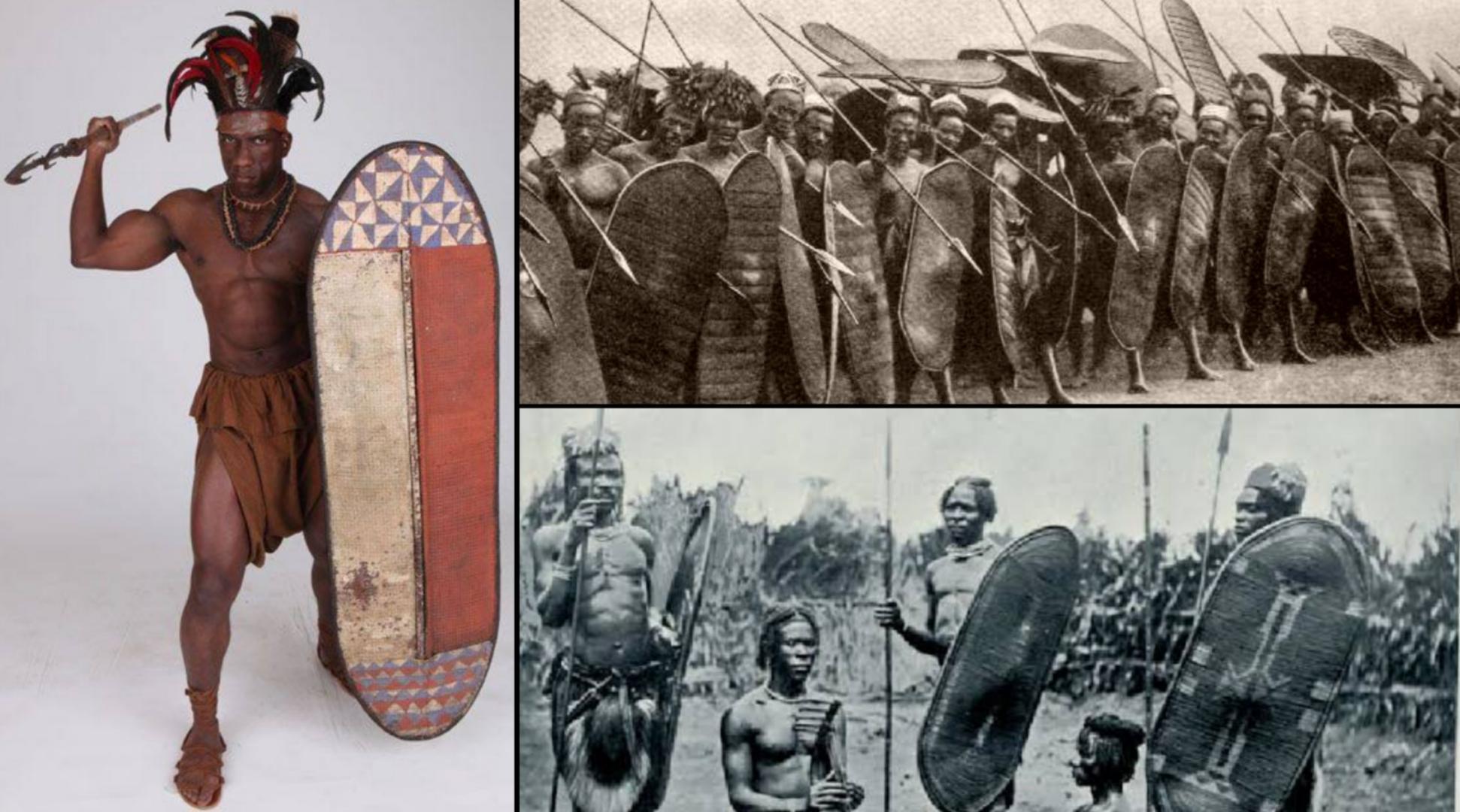
Azande: Warroir tribe that conquered parts of Central Africa Republic, DRC & South Sudan

The Azande (plural of “Zande” in the Zande language) are an ethnic group of North Central Africa. Zande are primarily found in the northeastern region of Democratic Republic of the Congo, south-central and southwestern regions of South Sudan, and the southeastern region of Central African Republic. The Congolese Azande inhabit in Orientale Province, specifically in the Isiro, Dungu, Kisangani, and Duruma areas near the …

Read More »

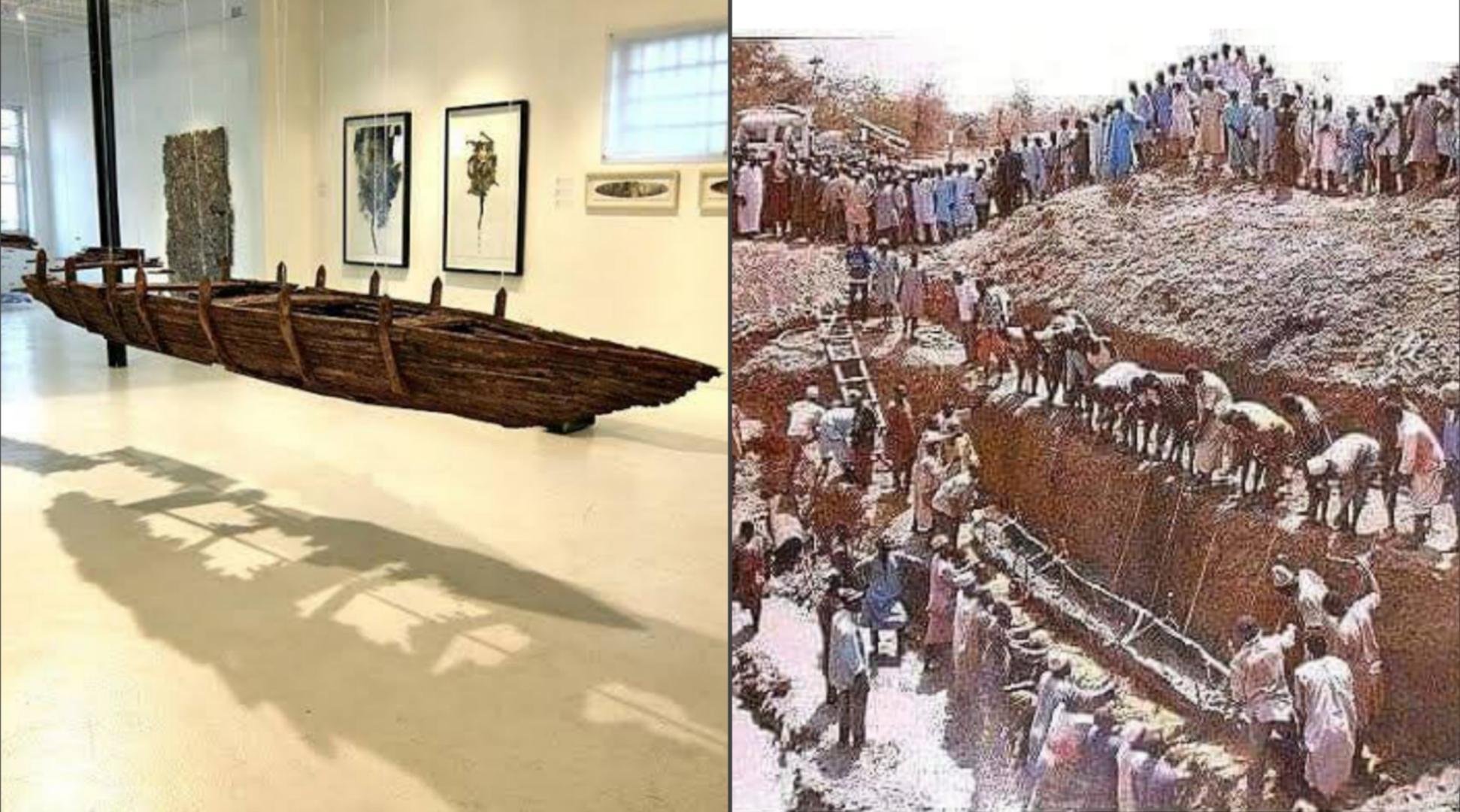
Dufuna Boat: The 8,000 years oldest Canoe in Africa & second oldest on earth

The Dufuna Canoe was discovered in 1987 by a Fulani cattle herder a few kilometers from the village of Dufuna in the Fune Local Government Area of Yobe State, Nigeria, near the Komadugu Gana River. The canoe was dated at 8,500 to 8,000 years old by radiocarbon dating of a sample of charcoal found near the site, linking the site …

Read More »

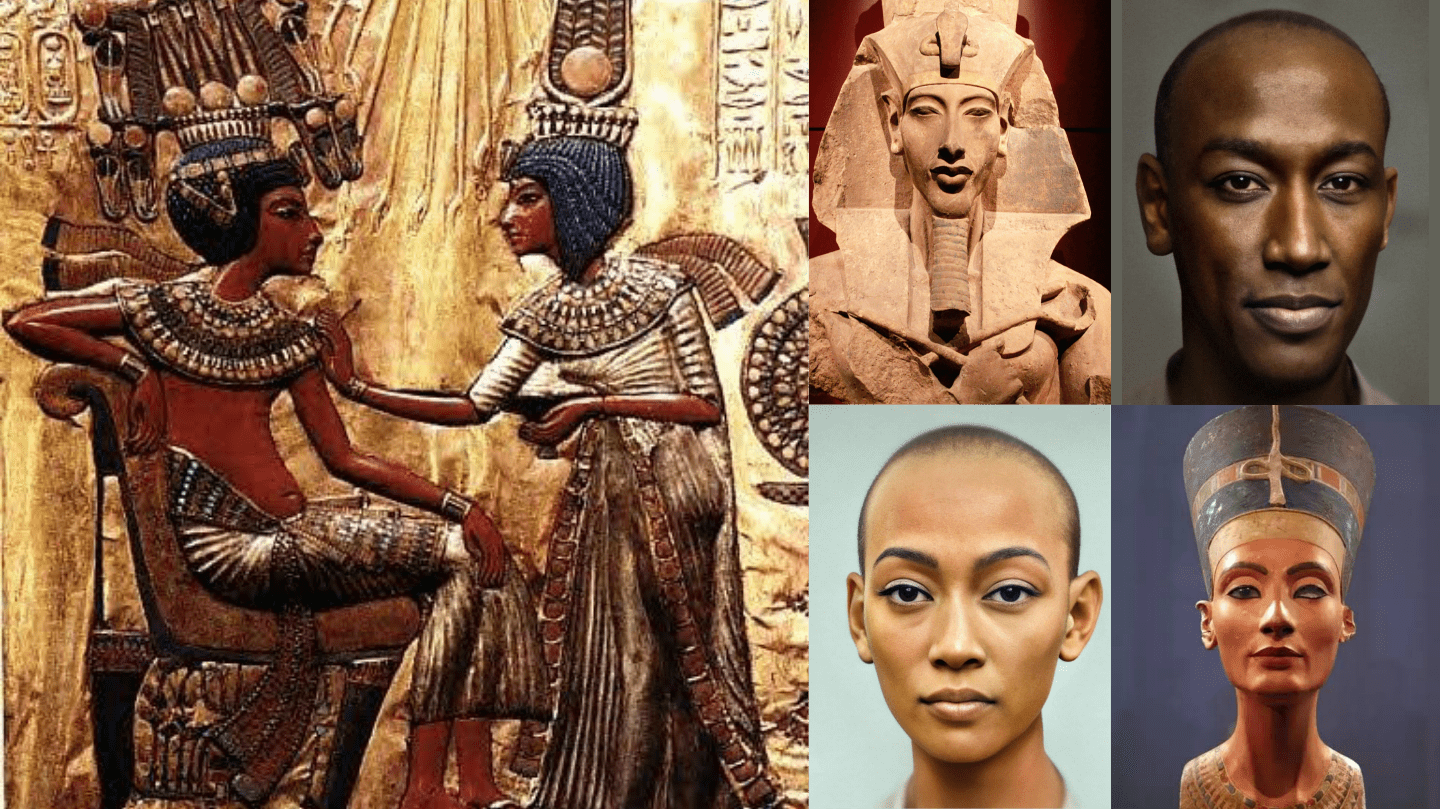
Dutch photographer reveals modern image of Pharaoh Akhenaten & Queen Nefertiti

Akhenaten, also spelled Echnaton, Akhenaton, Ikhnaton, and Khuenaten, was the tenth ruler of the Eighteenth Dynasty, reigning from c. 1353–1336 or 1351–1334 BC. He was known as Amenhotep IV until the fifth year of his reign. Nefertiti, also called Neferneferuaten-Nefertiti, queen of Egypt and wife of King Akhenaton. Bas Uterwijk, a Dutch photographer, used artificial intelligence to create modern photographs of Egyptian …

Read More »

Ubang: The African community where men and women speak different languages

Generally speaking, the difference between a man and a woman around the world is their gender, but it’s more than that in Ubang, a rural community in southern Nigeria. Men and women speak different languages in the farming community situated between two mountains in Obudu Local Government Area, Cross River State, Nigeria, and they understand each other perfectly. Estimated to …

Read More »

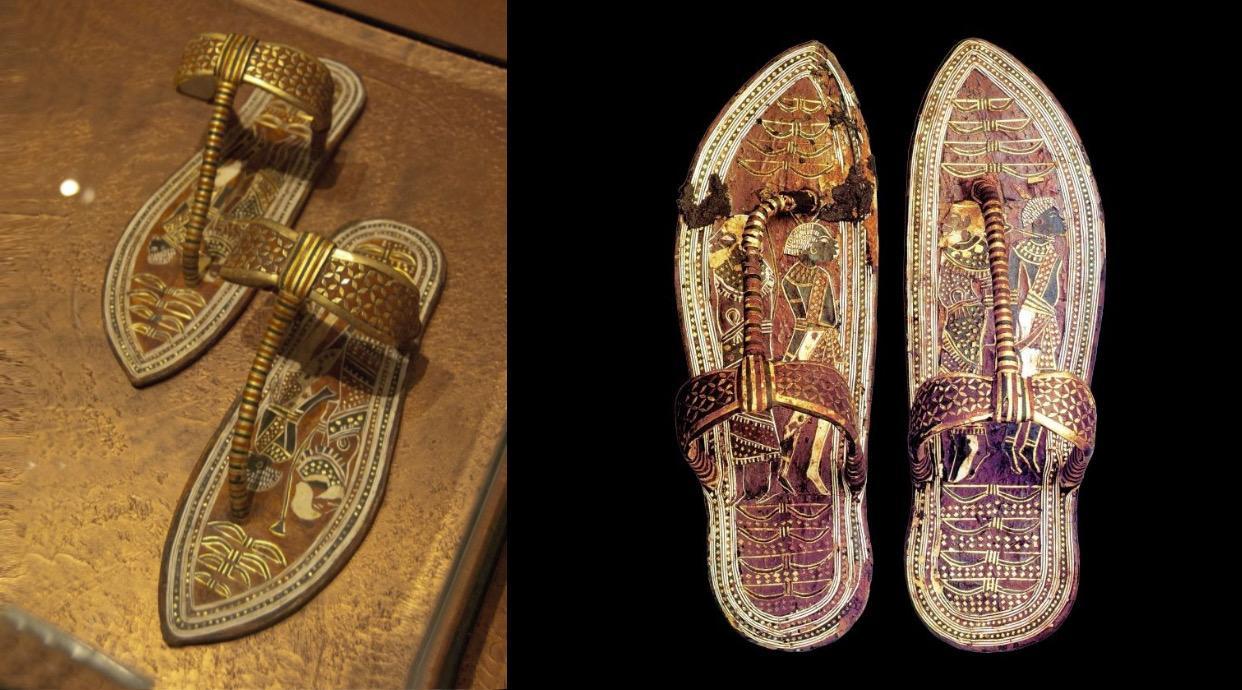
3,300-Year-Old Sandals of King Tutankhamun

Tutankhamun was an ancient Egyptian pharaoh who, in the New Kingdom of Egyptian history, was the last of his royal family to rule at the end of the 18th Dynasty. His father was Pharaoh Akhenaten, who was believed to be the mummy found in the KV55 tomb. In ancient Africa, King Tut was one of the great rulers. The research, …

Read More »

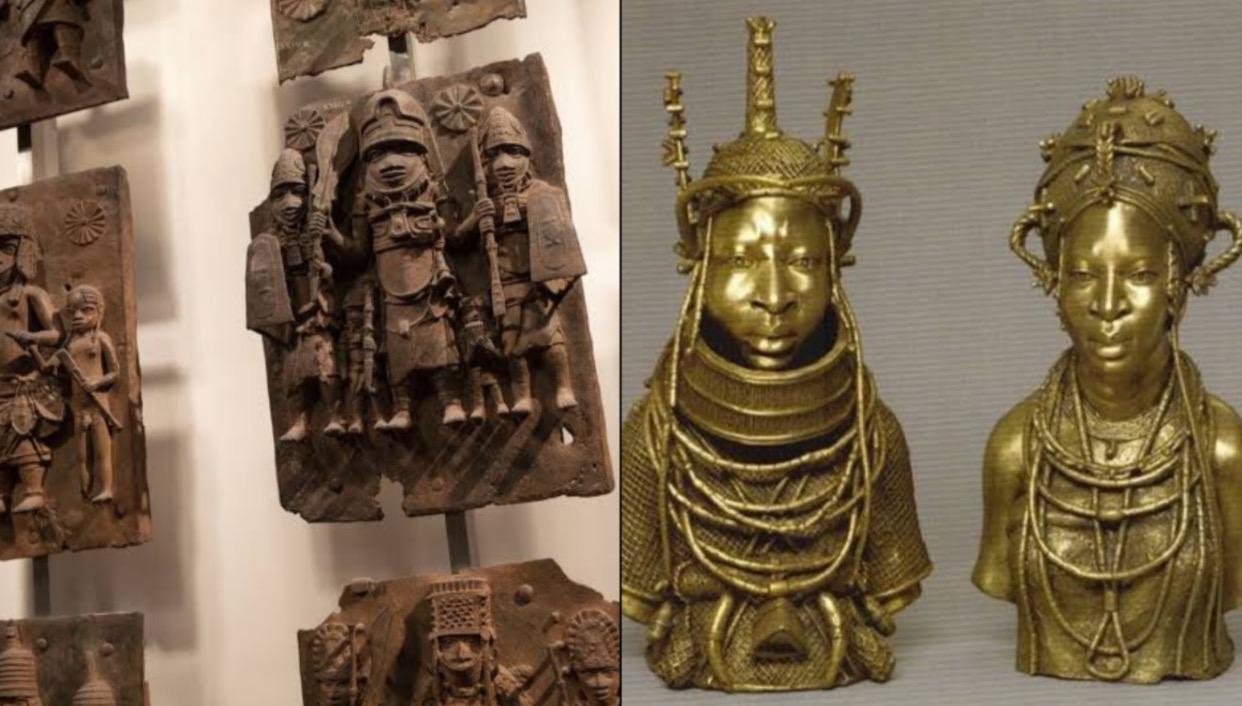
France Approves Return of African Treasures Looted During Colonial Period

Radio France Internationale French MPs have approved the return of looted historical artefacts to Benin and Senegal, completing the legislative process needed to give back the objects. Benin will receive 26 artefacts taken from the Palace of Behanzin in the late 19th century, including a royal throne, which are currently exhibited at the Quai Branly-Jacques Chirac museum in Paris. Senegal …

Read More »

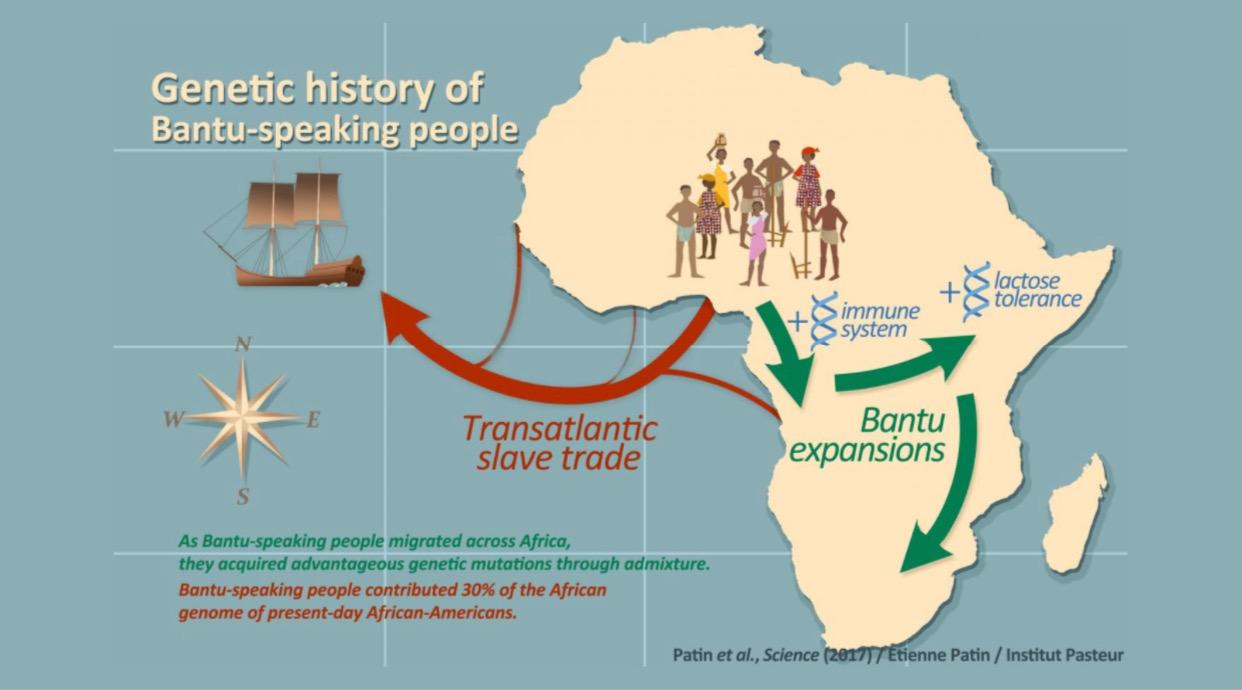
The migration history of Bantu speaking tribes 4,000 to 5,000 years ago

The rise of farming marked a significant turning point in African history around 4,000 to 5,000 years ago. Bantu speakers, historically hunter-gatherers living in the region between Cameroon and Nigeria, were able to gradually leave their homeland and spread to new areas by mastering this new ability. This was the beginning of a millennia-long journey that culminated in the settlement …

Read More »